10 Best Property Maintenance Software Options in 2026

Okay, let’s cut through the marketing nonsense. You’re not shopping for software; you’re shopping for a business partner. A partner that can handle a 3 AM plumbing disaster so you don’t have to. One that keeps you from violating your local housing code because you forgot to document a repair request. If your current "system" is a sticky note on your fridge and a prayer, you're running a hobby, not a business.
I learned this the hard way. My first software pick was a disaster—clunky, overpriced, and my maintenance guys hated it more than I did. It almost made me go back to pen and paper.
But the right tool? It’s a game-changer. It turns chaos into a process. This isn't about features; it's about finding the right fit for your portfolio, your budget, and your sanity. After testing more apps than I care to admit, here’s my brutally honest take on what works in 2026.
Forget the Checklist. Ask These 3 Questions Instead.
Before you look at a single demo, get real with yourself:
1) “What’s my ‘Oh Crap’ moment costing me?” Be honest. How many hours did you lose last month playing phone tag between a tenant and a handyman? A study from the property managers' association NARPM found that using the right software can claw back 40% of that lost time. That’s time for new acquisitions, not damage control.
2) “Will this save my neck in court?” This isn't paranoia; it's professionalism. If a tenant sues over a mold issue claiming you ignored them, your text messages won't cut it. You need a timestamped, un-editable log. Good software is your legal shield. It helps you comply with basic housing standards outlined by agencies like HUD.
3) “Can I actually get my team (or my vendors) to use it?” The fanciest software in the world is useless if your contractor refuses to log in. The best tools are dead simple for everyone in the chain—tenant, manager, vendor.
Got your answers? Good. Now let’s look at the players.
The 2026 Lineup: Who Actually Deserves Your Money
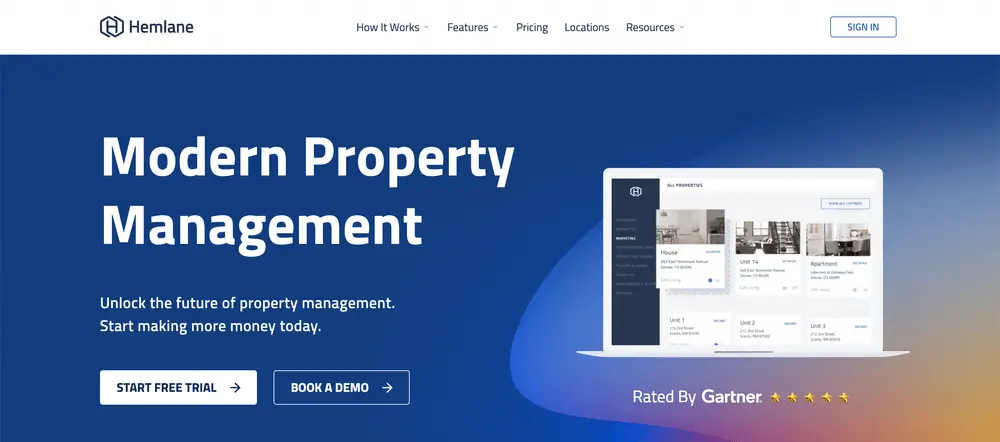
- Hemlane: The “Set It and (Mostly) Forget It” System
Overview
My pick for: Landlords with 1-100 units who want their life back.
The Real Talk: Property management software is for those of us who love real estate but hate being an answering service. Their 24/7 maintenance coordination isn’t just a portal—it’s a service. They have people who will call a vetted plumber at midnight. For me, that alone is worth the price. It’s the hybrid model done right: tech for efficiency, humans for the messy stuff. Their leasing tools, which plug into solid screening services, also make turnover less of a nightmare.
The Cost: Plans start at $30/month if you’re hands-on, up to $96/month for full-service leasing help. You’re paying for peace of mind.
For more information, visit our pricing page.
2. Buildium: The Swiss Army Knife for the Serious Portfolio Builder
Overview
My pick for: Pros who live in spreadsheets and need bulletproof accounting.
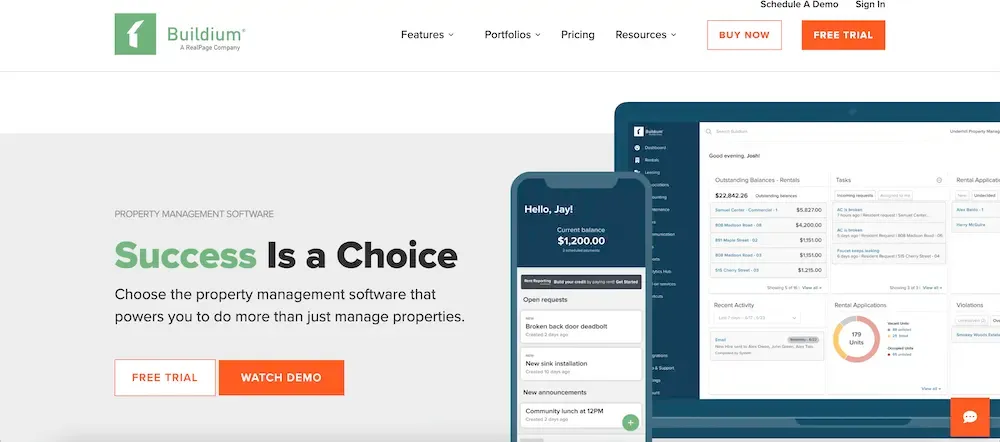
The Real Talk: Buildium isn’t the flashiest, but it’s a tank. If your primary headache is tracking every penny across 50+ units or multiple entities, this is your workhorse. It’s comprehensive to a fault—sometimes overwhelming for beginners—but for growing managers, its depth is a superpower. The reporting will make your accountant weep with joy.
The Cost: Starts at $50/month. You’re paying for depth and stability.
3. AppFolio: The Tech Darling for Scaling Up
Overview
My pick for: Larger portfolios where “mobile-first” isn’t a buzzword, it’s a requirement.
The Real Talk: AppFolio feels modern. It’s fast, the apps are great, and they’re pushing into “predictive” stuff—like flagging that a water heater is past its average lifespan. It’s what the big multifamily guys use, trickled down. If you have a team of leasing agents and maintenance staff all needing mobile access, it shines. As a trend noted by real estate researchers at ULI, this predictive angle is the future [4].
The Cost: Per-unit pricing (~$1.40/unit). You’re paying for speed and scale.
4. Propertyware: The Single-Family Home Specialist
Overview
My pick for: Investors who only do scattered houses, not apartments.
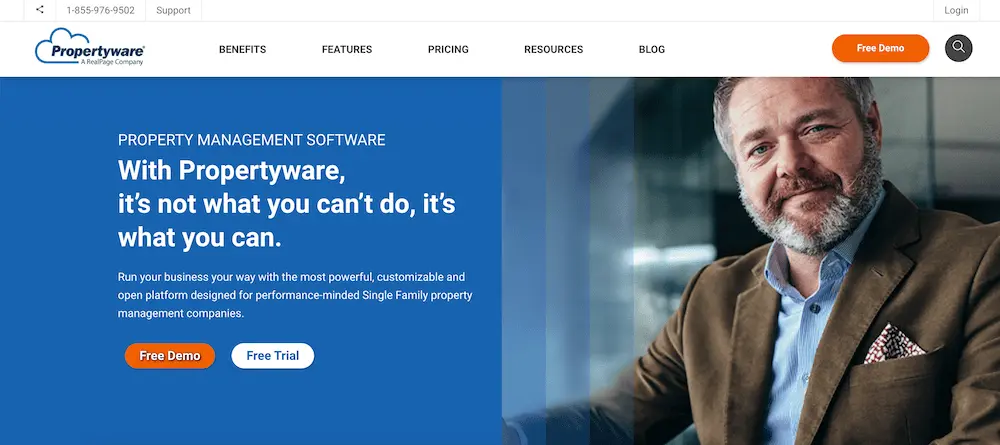
The Real Talk: Managing houses is a different beast than an apartment block. Propertyware gets that. Its tools for marketing a vacant house across Zillow, Rent.com, etc., are top-tier. It’s built for the decentralized, marketing-heavy world of SFRs. If you have 20 houses in 15 different neighborhoods, this is your control center.
The Cost: Per-unit, with a monthly minimum. You’re paying for specialization.
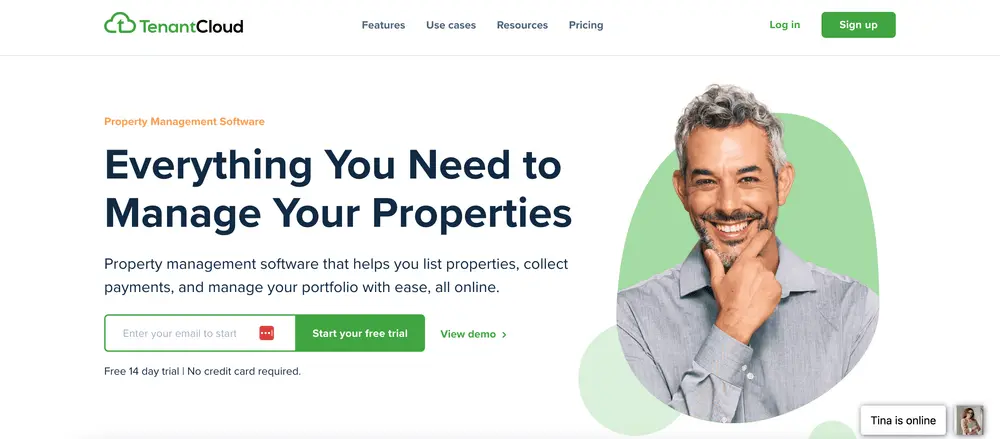
5. TenantCloud: The “Just Dip My Toes In” Option
Overview
My pick for: The newbie with 2-3 units who’s terrified of overspending.
The Real Talk: It has a legit free plan. Let’s be clear: it’s basic. But if you’re moving from a Google Sheet and a Venmo request link, it’s a massive upgrade. It proves the concept that software can help without confusing you. Use it until you outgrow it, then graduate.
The Cost: Free to start, paid plans from $12/month. You’re paying for a risk-free start.
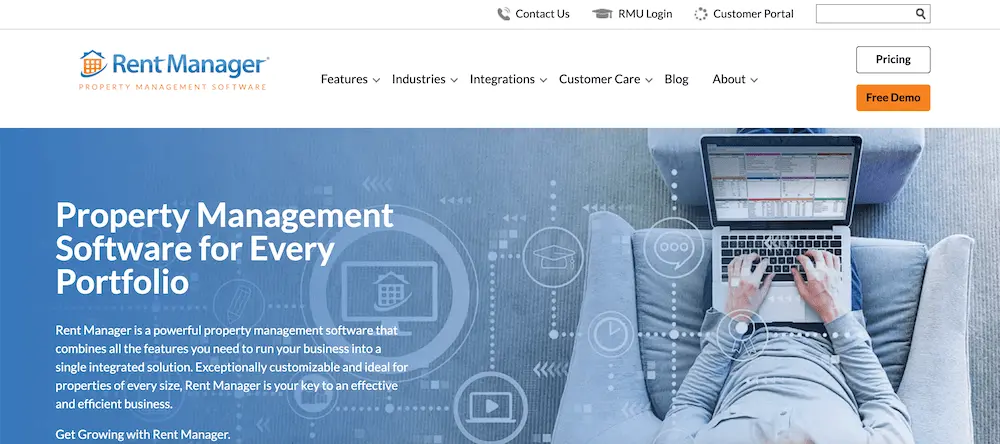
6. Rent Manager: The Power User’s Palace
Overview
My pick for: Large, complex operations that might even want the software installed on their own servers.
The Real Talk: This is for the control freaks (I say this with respect). It’s incredibly powerful and customizable, but it’s not for the faint of heart. If you have an IT person or you need to generate hyper-specific compliance reports for investors, this is it. The learning curve is steep, but the control is absolute.
The Cost: Custom quote. You’re paying for maximum control.
7. Entrata: The Big Apartment Complex Engine
Overview
My pick for: You manage 200+ unit communities, not “rentals.”
The Real Talk: You don’t really “choose” Entrata; your 300-unit apartment complex does. It’s the operating system for major multifamily properties. Everything is integrated—the maintenance module talks to the leasing office, which talks to the accounting desk. It’s comprehensive, expensive, and meant for dedicated on-site staff.
The Cost: Enterprise-level. You’re paying for an ecosystem.
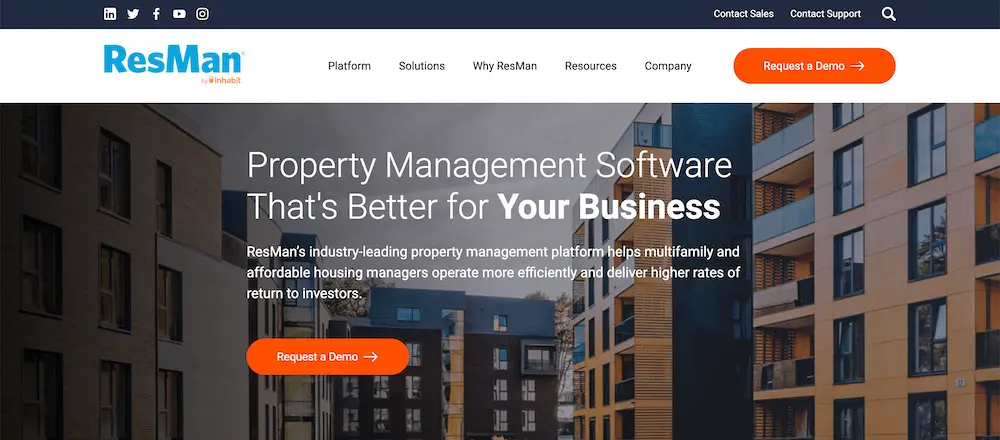
- ResMan: The Compliance Nerd’s Best Friend


Overview
My pick for: Affordable housing or any portfolio where government paperwork is your reality.
The Real Talk: If your world involves LIHTC, HUD inspections, or Section 8, your software needs are different. ResMan is built in that world. It helps you stay audit-ready, which, as anyone who’s dealt with HUD knows [5], is the only way to stay in business. The maintenance tools are good, but the compliance framework is the star.
The Cost: Custom. You’re paying for regulatory survival.
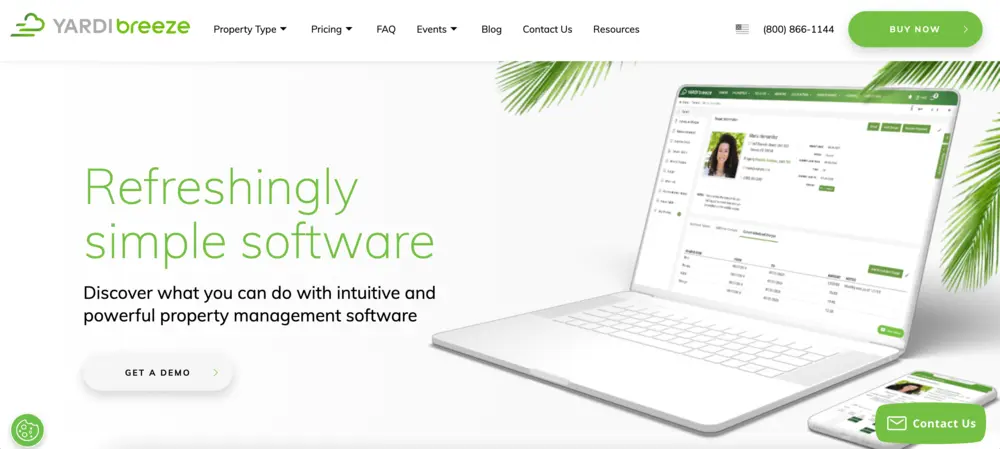
9. Yardi Breeze: The Trustworthy Brand Name, Simplified
Overview
My pick for: Someone who wants the security of the “Yardi” name without the complexity of their flagship product.
The Real Talk: Yardi Voyager runs a huge chunk of the commercial real estate world. Breeze is their “little brother” product—simpler, cleaner, and more affordable for smaller residential portfolios. It’s reliable, reputable, and does the core things well without too much fuss.
The Cost: Around $1/unit/month. You’re paying for brand-name reliability.
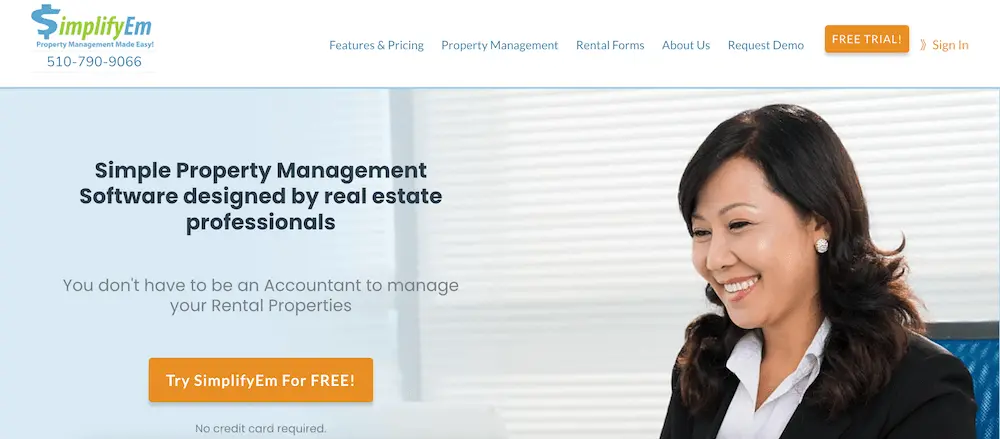
10. SimplifyEm: The Straight-Shooting No-Frills Option
Overview
My pick for: The landlord who says, “I just need to track repairs and income, not launch a rocket.”
The Real Talk: It does what it says on the tin. The interface is straightforward. It won’t dazzle you with AI, but it will reliably help you organize work orders and see your cash flow. It’s a pragmatic choice for someone who is tech-cautious but knows they need to get organized.
The Cost: From $25/month for small portfolios. You’re paying for simplicity.
The Final Word: Stop Managing Repairs, Start Managing Your Business
The goal isn't to find software. The goal is to stop being the bottleneck. The right tool makes maintenance a background process, not a daily crisis.
For most landlords I talk to, the sweet spot is a platform like Property management software —powerful enough to automate the junk, but human enough to handle the stuff automation never will.
Key Takeaways for Property Maintenance Software
| Key Takeaway | Why It Matters |
|---|---|
| Property maintenance software should reduce chaos, not add to it | The right platform helps landlords stay organized when repair issues come in |
| Maintenance documentation is critical | Timestamped records can help protect landlords and support better communication |
| Vendor adoption matters as much as feature depth | The software needs to be easy enough for tenants, managers, and vendors to actually use |
| Small landlords and large portfolios need different solutions | A lightweight tool may work for a few units, while larger operations need stronger coordination and reporting |
| 24/7 maintenance support can be a major differentiator | Some landlords want software only, while others want real human help after hours |
| Free or low-cost tools can be a strong starting point | For newer landlords, simple systems can be better than staying stuck with texts and spreadsheets |
| Mobile access becomes more important as teams grow | Larger operations benefit from software built for on-the-go coordination |
| The best maintenance software supports the full rental business | Many landlords benefit most from platforms that connect maintenance with leasing, rent collection, and financial tracking |
| The goal is to stop being the bottleneck | Good software turns maintenance from a daily fire drill into a repeatable process |
FAQs About Property Maintenance Software
What is the best property maintenance software for landlords in 2026?
The best property maintenance software for landlords in 2026 depends on your portfolio size, how involved you want to be in repairs, and whether you need software only or software plus human support. Some landlords need a simple work order system, while others need 24/7 maintenance coordination, vendor management, accounting, leasing, and reporting in one platform. Hemlane stands out for landlords who want both automation and real support.
What does property maintenance software do?
Property maintenance software helps landlords and property managers organize repair requests, communicate with tenants and vendors, assign work orders, track progress, and document maintenance history. Many platforms also connect maintenance workflows with rent collection, leasing, accounting, and tenant communication.
Why do landlords need property maintenance software?
Landlords need property maintenance software because repairs can quickly become disorganized when handled through texts, calls, emails, or paper notes. A centralized platform helps reduce missed requests, improve response times, create better records, and make maintenance less reactive. It also helps landlords run their rentals more like a business and less like a constant emergency.
What features should I look for in property maintenance software?
Look for a tenant maintenance request portal, vendor assignment tools, work order tracking, mobile access, repair documentation, financial tracking, and reporting. If compliance and legal protection matter, choose software that creates a clear, timestamped maintenance log. If after-hours coordination is a problem, look for platforms that offer 24/7 support or service coordination.
Can property maintenance software help reduce legal risk?
Yes. Good property maintenance software creates a documented record of when a tenant submitted a request, how the request was handled, and when repairs were completed. This can be important if a landlord ever needs to show that maintenance issues were addressed properly and on time.
What is the best property maintenance software for small landlords?
For small landlords, the best property maintenance software is often one that is easy to use and does not create more work for tenants or vendors. Hemlane, TenantCloud, and SimplifyEm may be appealing depending on whether the landlord wants a hands-on platform, a free starting point, or a no-frills option.
Which property maintenance software is best for large portfolios?
Larger portfolios often need more advanced reporting, stronger mobile access, and better coordination across teams. AppFolio, Rent Manager, Entrata, ResMan, and MRI-style enterprise platforms are generally better suited for complex operations or larger multifamily portfolios.
Does property maintenance software help with vendor management?
Yes. Many property maintenance platforms allow landlords and property managers to assign work orders to vendors, track status updates, and keep communication in one place. This can reduce phone tag and make it easier to coordinate repairs across multiple properties or units.
Is free property maintenance software worth it?
Free property maintenance software can be worthwhile for landlords with only a few units who want to move away from spreadsheets or informal systems. It can be a good entry point, but landlords should still consider the tradeoff between lower cost and fewer features, less automation, or weaker support.
How do I choose the right property maintenance software?
Start by looking at your biggest maintenance bottlenecks. Ask yourself what your current process is costing you in time, whether your system protects you with proper records, and whether your team or vendors will actually use the platform. The best software is the one that fits your workflow and helps you stay in control when maintenance issues happen.
Citations & Authoritative References


- National Association of Residential Property Managers (NARPM). 2024 Benchmarking Survey Report: Technology & Efficiency in Property Management. Retrieved from https://www.narpm.org.
- U.S. Department of Housing and Urban Development (HUD). Tenant Rights, Laws and Protections: Repairs. Retrieved from https://www.hud.gov/topics/rental_assistance/tenantrights.
- TransUnion. SmartMove Rental Screening Solutions. Retrieved from https://www.mysmartmove.com.
- Urban Land Institute (ULI). *Emerging Trends in Real Estate® 2024/2025.* Retrieved from https://www.uli.org/research/emerging-trends/.
- U.S. Department of Housing and Urban Development, Office of Multifamily Housing. Programs and Regulations. Retrieved from https://www.hud.gov/program_offices/housing/mfh/progdesc.
Get the Latest in Real Estate & Property Management!
I consent to receiving news, emails, and related marketing communications. I have read and agree with the privacy policy.